September 30, 2026
erapickleball.com Pickleball Center: Coaching that Delivers
By @collinorxm568
Coaching at Era Pickleball has always stood out for its blend of practical skill development and the kind of mentorship that translates from the court to everyday play. When you walk into the pickleball center at Era Pickleball, the vibe is different. There is a quiet confidence in the way coaches size up a match, anticipate rallies, and tailor instruction to each player’s strengths and limits. This is not a place where a drill becomes a signature and everything else passes as background noise. It is a space built on intentional coaching that moves players forward, sometimes in small increments that add up to real progress.
The Era Pickleball coaching model starts with a clear understanding of what players want to achieve. For some, the aim is to move from beginner status to confident tournament play within a season. For others, it is about keeping the game lively and social while elevating shot selection and strategic thinking. The center has learned to honor both tracks without forcing a one size fits all approach. The truth is that the best learning happens when coaching respects rhythm. A weekend warrior can absorb weeks of improvement from a single designed practice block if the coach threads the session with precise feedback and an honest appraisal of what is most likely to move the needle.
What differentiates coaching at Era Pickleball goes beyond the drills you can find in any standard court. It rests on three pillars: technical clarity, destabilizing competition that tests learning under pressure, and a culture that makes players want to return. The first pillar is technical clarity. The Era Pickleball coaching staff speaks in precise terms about grip pressure, paddle face angle, and contact point. They translate complex mechanics into actionable cues that players can recall in the moment. There was a player I watched during a module on dinking who, after a few adjustments, could keep the ball low and well within the nonvolley zone without over thinking the movement. The improvement didn’t come from more reps in a vacuum; it came from a refined mental map of the shot and a cue system that anchored the movement while the player moved through the court.
The second pillar, destabilizing competition, is where coaching becomes visceral. Real growth rarely comes from repetitive, perfectly executed drills in a sterile environment. It comes when players are forced to apply new tools while under a degree of pressure, when missteps happen and recovery becomes part of the learning. Era Pickleball builds practice blocks that simulate match intensity without the chaos of a tournament. Coaches orchestrate points that force players to choose between safer options and higher payoff plays, tracking decision points and outcomes. It is not about speed alone; it is about refining the decision cycle. The result is players who can adapt on the fly, who can pivot when an opponent shifts tempo, and who understand that sometimes a compact, controlled rally is exactly what a rally demands.
The third pillar centers on culture. A coaching staff can have the most elegant methodology on paper, but without a culture that makes players want to show up, it loses steam. Era Pickleball invests in the kind of environment where curiosity is rewarded, mistakes are treated as data, and progress is celebrated even when it comes in small increments. You will hear coaches praise the tendency to try something new, even if that new thing leads to a flawed execution in the short term. The energy on the courts is constructive rather than punitive, focused on growth rather than scoring points at any cost. Players leave sessions with a clear sense of what to work on, a plan for the week, and a list of micro-goals that make the path to improvement feel tangible.
The coaching staff at Era Pickleball also understands that progress is not linear. There are plateaus, and there are occasional backslides, which can be discouraging if not managed with care. A hallmark of the program is the way coaches manage expectations and calibrate intensity. They will often tier sessions to accommodate varying fitness levels, time commitments, and injury history. A 60-minute block for a new player might revolve around footwork patterns, shot anticipation, and basic consistency, while a more advanced practitioner could be unpacking strategy for fast transitions and multi-shot sequences that break down a defense. The principle is simple: every session should leave the player with at least one tangible takeaway that can be practiced before the next appointment.
On the surface, it is easy to think coaching is all about flawless technique. However, Era Pickleball coaches bring something more from the real world of competition. They understand how confidence is built, how nerves manifest in the first few points of a set, and how players can protect their mental energy across a long match. The center’s philosophy emphasizes sustainable growth. What you learn in a session should not burn you out or become a source of over-analysis. Instead, you gain a clearer sense of your capabilities, a more reliable method for diagnosing your own errors, and the muscle memory that makes good decisions feel automatic under pressure.
The result is a coaching ecosystem that benefits a wide spectrum of players. Beginners who want to learn the fundamentals in a structured, supportive environment discover not only correct technique but also a feel for the rhythm and pace of a social match. Intermediate players appreciate the focus on pattern recognition, shot selection, and the ability to adjust to different opponents. Advanced players find value in the emphasis on strategy, transition play, and the subtle edges of control versus aggression. The center creates pathways that help each player move along the continuum, progressively increasing the complexity of drills as skill, experience, and confidence rise.
One of the elements that consistently earns high marks is the coaching staff’s capacity for observation and feedback. The most effective coaches in this space do not simply tell players what to fix. They show, they model, and they guide players toward a self-sufficient improvement loop. They can demonstrate a rally from a baseline position and then pause to point out the micro-mactions that make a difference. They will often pause a drill to review what the player did well and where there is room to adjust, inviting the player to articulate the reasoning behind their shot selection. This approach builds a kind of reflective practice that players can carry into solo practice sessions and into open play on busy days when there is a queue of courts.
Era Pickleball understands that coaching is only as good as the opportunities players have to apply what they learn. The center is designed to give players ample court time, frequent practice blocks, and structured game formats that reinforce lessons in a natural flow. You can expect a well-balanced blend of technique work, live drills, and scrimmage scenarios that require players to implement new patterns under pressure. The practice cadence is thoughtful: short, intense bursts focused on a single facet, followed by a longer cycle where players consolidate and test in a more dynamic setting.
The coaching staff also brings a practical appreciation for equipment and court setups. The way the paddle chooses to respond on contact, the spin achievable with certain strings, and the way footwork interacts with line angles can significantly influence how a technique is learned. Rather than treating equipment as a nuisance or an afterthought, Era Pickleball integrates an equipment-aware lens into its instruction. This helps players understand how the hardware shapes outcomes and enables them to tailor their gear to their goals. It is not unusual to see a player experiment with a different paddle weight or grip size after discussing feel, control, and power with a coach who has watched dozens of sessions across players with similar skill profiles.
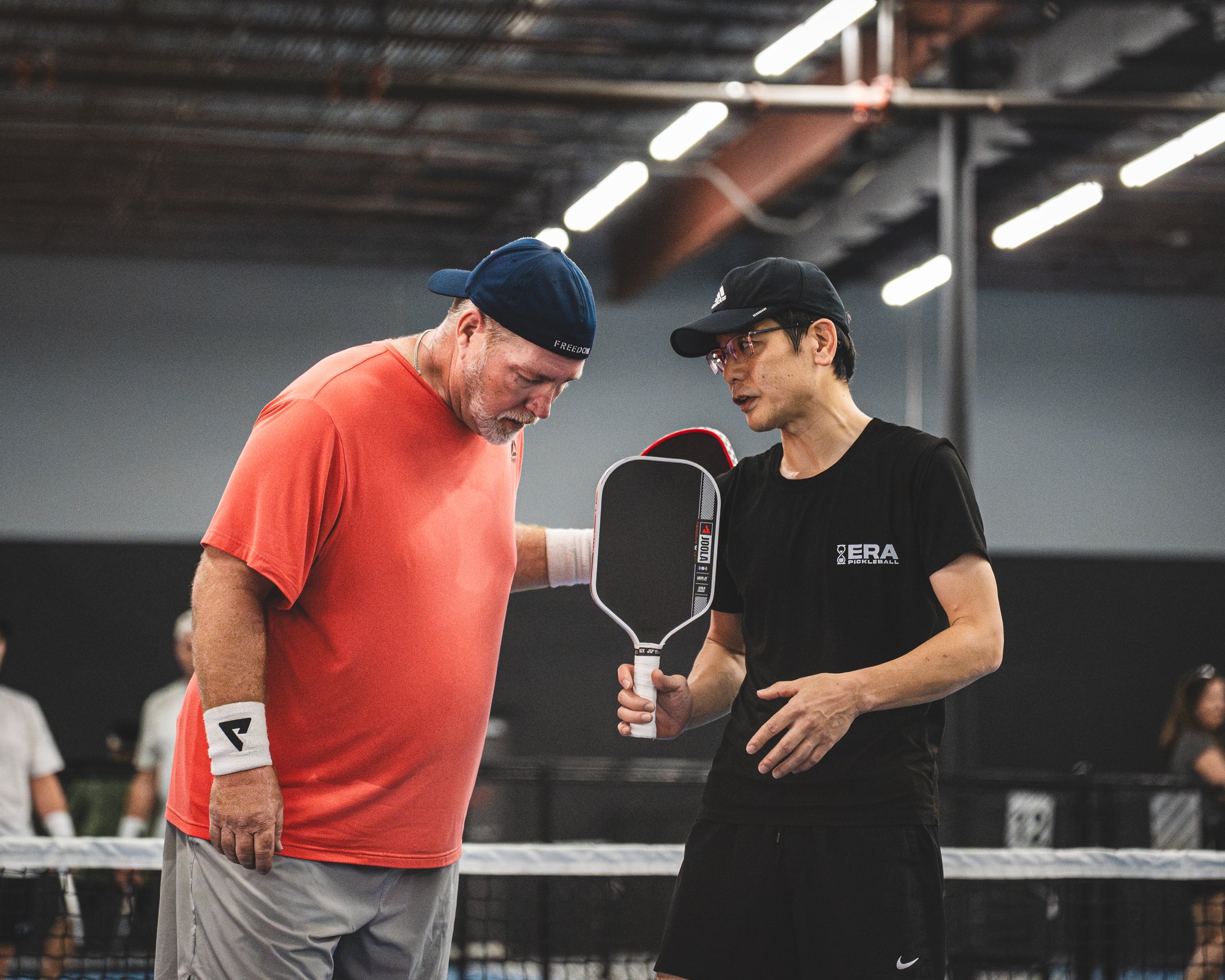
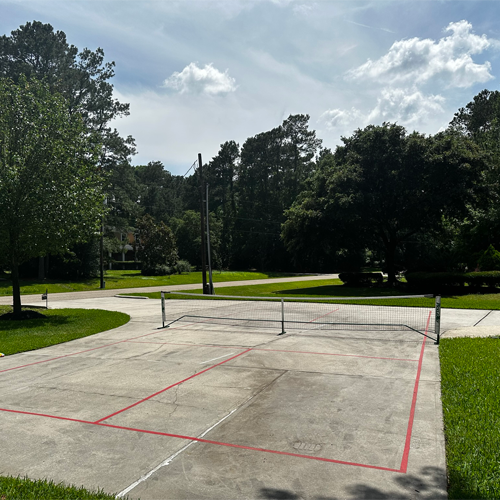
I have watched coaches at Era Pickleball tailor sessions for players with specific needs. A senior player in one group found their mobility was the limiting factor in court coverage. The coach restructured the session to emphasize positional play, early anticipation, and shot selection that minimizes movement waste. The changes did not require sacrificing practice time; they repurposed it. Results showed up in more consistent rallies and fewer long, energy-draining points. In another case, a junior player enjoyed quick benefits from a focus on foot speed and balance, which translated into cleaner dinks and more aggressive nets play. In both cases, the coaching approach did not collapse into a single, universal formula. It was adaptive, data-informed, and relentlessly practical.
The scale of the Era Pickleball coaching program is another factor that makes it distinctive. It is not merely a handful of private lessons offered on a handful of courts. It is an ecosystem built to support ongoing development through cohorts, clinics, private sessions, and a well-curated schedule of open play where learned patterns are tested in real time. For many players, the pathway begins with a fundamentals clinic, then progresses to semi-private sessions that pair players with complementary goals, and finally to advanced courses that stress strategy, court positioning, and pressure management. The variety of formats keeps learning fresh and allows players to address multiple facets of the game in a cohesive way. The system is not a rival to self-directed practice; it complements it by offering structure, accountability, and feedback at critical junctures.
The center’s approach to assessments is another practical advantage. Instead of relying on vague impressions or subjective notes, Era Pickleball employs simple, repeatable metrics. Coaches track how players perform on serve return consistency, dinking depth, and net aggression within a controlled practice setting. They also monitor movement efficiency, recovery between points, and the ability to maintain form during longer rallies. These metrics are not used to punish players but to calibrate future sessions. If a player shows steady improvement in control but still struggles with transition play, the next block will emphasize movement patterns, step timing, and court coverage drills. The goal is incremental improvement over time, with transparent feedback that players can act on.
Part of the strength of Era Pickleball coaching lies in its collaborative atmosphere. Players are encouraged to bring questions to sessions and to share what they notice about their own play. The coaches listen with curiosity and respond with explanations that connect what happens on the court with broader concepts from physics and biomechanics, but always grounded in practical application. It is a rare blend: rigorous, evidence-based instruction delivered in a language that makes sense to people who show up to have fun and win more often. The result is a learning environment where people feel seen, challenged, and supported.
In addition to the in-person coaching, the Era Pickleball ecosystem often provides resources that extend coaching beyond the court. Video analysis, for instance, is used to illustrate a player’s rally rhythm, shot selection, and positioning from different angles. A quick review can reveal subtle over-rotation, timing issues, or inefficient footwork. Watching a sequence repeatedly with a coach allows players to internalize the correct motion and to rehearse the improved pattern. The process is not about shaming mistakes but about translating observation into a clear corrective action. When players can see themselves in action, the learning loop becomes faster and more reliable.
Coaching at Era Pickleball is not without its challenges. The sport itself is nuanced and fast evolving, with new techniques and tactical ideas emerging as the game grows in popularity. A coach must stay current, analyze competition trends, and update training materials so that players are not locked into outdated methods. The best coaches at Era Pickleball do exactly that. They attend advanced clinics, review match footage from professional circuits, and integrate insights into their day-to-day practice plans. They also maintain a practical skepticism about trends that sound flashy but lack a solid track record. This pragmatic stance helps keep the program grounded and focused on outcomes that players can actually achieve.
For players who are ready to commit to more than a handful of sessions, Era Pickleball offers a clear value proposition. The center can be cost-effective when viewed in terms of lifetime performance gains, especially for players who want to compete at higher levels or simply enjoy longer, more consistent rallies. The coaching philosophy is designed to maximize return on time invested by combining efficient practice blocks with high-utility game formats. That balance matters because most players do not have hours each week to dedicate to practice. A well-structured program can deliver meaningful gains without overwhelming a busy schedule.
If you are new to the Era Pickleball coaching experience, expect a warm onboarding process. The team asks about your goals, your background in racquet sports, and any physical considerations that might influence training. They tailor an initial assessment that gives you a realistic read on where you are and where you can go. Then they set a plan that respects your pace, with milestones that are ambitious but achievable. The first few sessions are often about building confidence and stabilizing fundamentals, because without that bedrock, more complex technique simply cannot take root.
The longer someone invests in Era Pickleball coaching, the more you begin to notice the cumulative effects. The subtle changes in footwork, the way a player reads an opponent’s serve, and the shift in shot selection when pressure increases all signal a maturation of the game. It is not just about winning more points in a session; it is about building a repertoire that can be drawn upon in any situation. The center understands that mastery is a journey with many small, practical steps along the way. The approach honors that truth in ways that keep players engaged, curious, and steadily improving.
In hindsight, the most convincing part of Era Pickleball coaching is the way it prepares players to trust their own judgment on the court. When a player can articulate why they chose a particular shot in a given moment, a coach has achieved something important: the ability to transfer learning from the practice floor to real competition. The center’s instruction is built to produce this kind of independence. The aim is not to produce a string of flawless drills but to help players internalize the decision tree that governs every rally. When players eventually rely on their own analysis and instinct, the coaching has reached its deepest level of impact.
Now, let us examine some practical realities that shape the daily experience of coaching at erapickleball.com pickleball center. The facility supports a mix of private lessons, semi-private sessions, clinics, and open play that is heavily structured to reinforce what has been taught in a given week. This architecture feels deliberate. It ensures players move from learning to application with minimal drift between sessions. The private lessons offer one on one attention, with coaches who can focus intensely on an individual’s particular mechanical quirks, while semi-private formats enable peers to reinforce correct habits through collaborative practice and mild competition. Clinics knit together groups of players at similar skill levels, providing a community vibe that accelerates learning through shared experience.
Another important dimension to consider is the access to resources beyond the court. Era Pickleball has cultivated a knowledge base that grows with the players. The coaching staff sometimes publishes quick video tips, sample practice plans, and annotated game reports that players can refer to between sessions. This supplementary material is not meant to replace hands-on coaching but to extend its value. The best players take advantage of these resources by revisiting clips during travel or downtime and returning with questions for the next session. The cycle of practice, feedback, and review becomes a lattice that holds steady as skill develops.
For families and younger players, the Era Pickleball center can be a particularly rewarding place to grow. The coaches tend to bring a sense of mentorship that is not exclusive to adult athletes. Younger players learn how to handle competition, how to manage time respectfully on court, and how to maintain sportsmanship while pursuing improvement. There is a strong emphasis on safe, progressive loading of drills to prevent injury and to reduce the risk of overtraining. The idea is to leave the session with a feeling of momentum, not fatigue, and to transfer that positive energy into schoolwork, other sports, or social life. As with any growth journey, consistency matters more than intensity. The coaches understand that well, and they adapt accordingly.
From a practical standpoint, the Era Pickleball coaching center is also mindful of the longevity of a player's career. They emphasize injury prevention through warmups, mobility work, and proper scaling of practice intensity. In conversations with the coaching staff, you sense their respect for the delicate balance between pushing hard enough to encourage adaptation and protecting joints and tendons from overload. The approach might involve shorter, high-intensity intervals to maximize gain within a manageable time frame, followed by longer recovery periods or lighter technical work to keep the body in good working order. The emphasis on sustainable training is a practical benefit that often gets overlooked in conversations about skill development.
The story of coaching at Era Pickleball is also a story about community. The center hosts events that bring players together outside of formal sessions. Round robin formats, social mixers, and charity games give players additional opportunities to apply what they have learned in a low-stakes setting. These events are not just about socializing; they are a different kind of lab where strategy and technique meet real people with varying abilities, tendencies, and energy levels. The result is a more well rounded player who is comfortable both in structured practice and in the unpredictable flow of a game against someone you have never met before.
As with any highly specialized sport program, there are trade-offs to consider when evaluating the value of Era Pickleball coaching. The first trade-off is time. Intensive coaching requires a commitment of days and hours each week that might be challenging for players who juggle school, work, and other obligations. The center does its best to accommodate busy schedules, offering flexible private lesson slots and rotating clinics. The second trade-off is cost. Top-tier coaching inevitably carries a price, and players should weigh the financial investment against potential performance gains, the social experience, and the quality of coaching staff. In many cases the return comes not just in improved wins on the court but in the confidence and enjoyment that come with better control, more consistent shotmaking, and a deeper understanding of the game. The third trade-off concerns time outside court. The most dramatic improvements usually require deliberate practice away from formal sessions, which may involve drills, video review, and mindful repetition. The center’s system is designed to help players build a plan that makes these out-of-court activities feasible and effective.
For anyone considering joining the Era Pickleball coaching program, there are several practical steps to maximize the experience. First, come with clear goals. A simple list of what you want to achieve in the next eight to twelve weeks can guide your practice choices and help a coach tailor the plan. Second, be honest about your limitations. Injury history, mobility issues, or scheduling constraints should be shared so coaches can adapt sessions appropriately. Third, engage with the feedback. It is easy to fall into the trap of hearing something once and suppressing it. If a coach points out a recurring tendency, make an effort to practice that one cue consistently until it becomes automatic. Fourth, take advantage of the video reviews. Seeing your performance from a different vantage point often reveals patterns you cannot feel in the moment. Fifth, commit to a consistent cadence. A few sessions a week over several weeks will outperform sporadic, intense bursts that do not have time to consolidate.
The Era Pickleball center has also developed a reputation for producing players who can read positions and anticipate sequences in a way that feels almost anticipatory. This is not a magic trick. The coaches cultivate it through drills that reward quick recognition and through game formats that force players to think several moves ahead. When you observe a player who has progressed to this level, you can see a quiet assurance in their movement. They are not rushing. They are not overthinking. They trust their understanding of the court and their ability to execute cleanly under pressure. That is a direct outcome of the coaching method and the structural design of practice sessions.
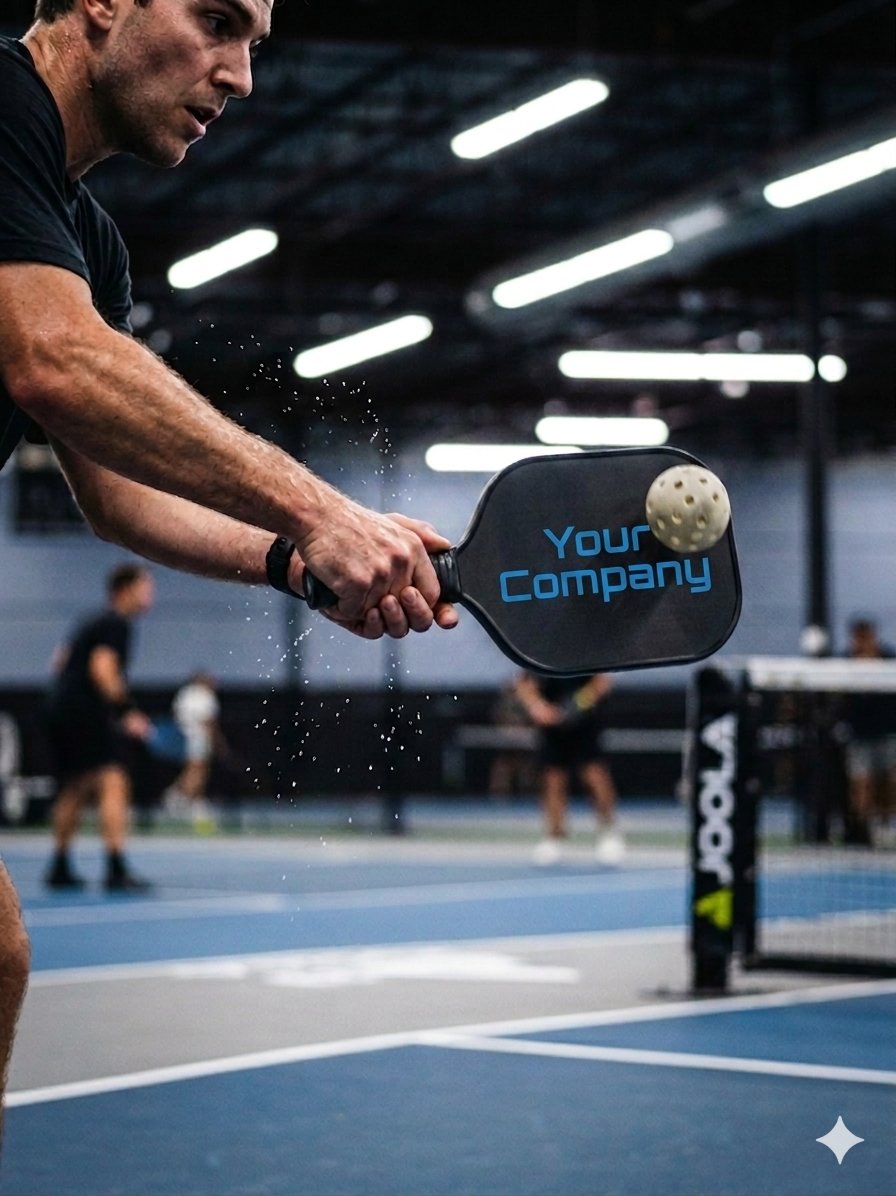
Ultimately, what makes coaching at erapickleball.com pickleball center so effective is its combination of clarity, pressure-tested practice, and a culture of steady, measurable improvement. It is a place where knowledge is not hoarded in a ledger of drills but shared freely through demonstrations, feedback, and collaborative problem solving. You sense that coaches want players to feel capable on their own, to trust the process, and to recognize that growth is a personal journey as well as a shared goal. The end effect is not just better players but a more resilient and curious community of athletes who bring that energy to every match.
The coaching philosophy also translates into real-world outcomes for players who eventually venture into higher levels of competition. The on-court decisions become more deliberate, the preparation more thorough, and the ability to manage the mental landscape of a high-stakes match more robust. When a player can stay composed while navigating a tight two games to one situation, or when a defender can anticipate a kitchen line attack and respond with a smart, efficient counter, you are seeing the fruits of a coaching system that has invested in high-signal training and practical application. The kind of growth you witness in these players is meaningful, lasting, and largely supported by the structure the Era Pickleball center has built over years of evolving practice, study, and real court experience.
To round out the picture, consider the technical specifics that tend to define successful coaching at Era Pickleball. There is a disciplined approach to work with the nonvolley zone that emphasizes control, angle management, and touch. Players learn to vary the depth of their dinks, keep the paddle face angled to manipulate ball flight, and use the soft touch to create opportunities for aggressive nets play without indoor pickleball courts overexposing themselves. In terms of serve and return, coaches emphasize accuracy and consistency, with a ladder of progress from comfortable, repeatable serves to more challenging placements and speed control. The return of serve is taught as a way to set up an entire rally rather than simply as a defensive shot, and players learn to exploit weak returns with purposeful third shot plays that put pressure on the opponent early in the point.
Basketball and tennis players who switch to pickleball often discover how similar some fundamentals are, and how different the court geometry can feel. The Era Pickleball coaching team respects this. They often frame instruction in the context of transferable concepts like footwork patterns, balance, and anticipation, then translate them into the specific mechanics of pickleball. For players who arrive with a background in other racquet sports, the coaches use that experience to accelerate learning while ensuring the new sport’s unique demands are not overlooked. The result is a blend that respects prior expertise but remains faithful to the realities of pickleball movement, shot geometry, and the tempo of modern doubles play.
In the end, the value of coaching at Era Pickleball is not a single metric or a single moment. It is a sustained experience that reshapes how players think about the game and act within it. You begin to notice subtle changes in your approach to rallies, your willingness to take calculated risks, and your capacity to manage your energy across a match and even across a tournament weekend. The coaching ends up feeling like a partnership rather than a one-sided instruction. The coach brings expertise and accountability, the player brings curiosity and effort, and together they build a trajectory that is clear, measurable, and deeply satisfying.
If there is a takeaway to carry forward from this reflection on coaching at erapickleball.com pickleball center, it is this: great coaching does not simply make you better at a sport. It teaches you how to learn, how to observe your own play, and how to adapt when the situation on the court changes. It gives you a framework that remains useful long after you have left the court. The experiences you accumulate in these sessions become your mental library of patterns, your go-to responses, and your confidence to try something new when it matters most. For players who want more than a quick win and who seek a durable, thoughtful approach to improvement, Era Pickleball offers a coaching ecosystem that consistently delivers.
Below is a snapshot of the core elements that make the Era Pickleball coaching experience distinctive, followed by a practical guide for players thinking about engaging with the center.
Two concise touchstones that summarize the coaching approach
1) Technical clarity with bite sized cues. Coaches translate complex mechanics into memorable, actionable reminders. The aim is to reduce cognitive load while maintaining precision.
2) Learning through pressure. Drills are designed to mirror match dynamics so improvements are transferable when it matters. You learn not just to hit good shots but to make good decisions under stress.
A practical guide for new and prospective players
-
Start with a fundamentals block that aligns with your current skill level. Expect a balance of technical work, movement, and controlled rallies.
-
Ask for a tailored progression plan. A good coach will map a path with short term milestones and longer term goals.
-
Leverage video feedback. Review clips to reinforce what you work on in practice and to visualize progress over time.
-
Use clinics and semi-private sessions to build a learning network. The combined insights from peers and coaches accelerate growth.
-
Treat injury prevention as a core part of training. Gentle mobility, smart loading, and rest are essential for sustainable gains.
The center’s philosophy is not about chasing the latest trend in pickleball coaching. It is about building a robust practice framework that players can rely on, season after season. By grounding instruction in real court outcomes and by providing the structures and resources that support ongoing improvement, Era Pickleball has established a coaching presence that athletes can trust.
If you want to take your game to the next level with a partner who understands how to translate practice into wins, consider the Era Pickleball coaching model. It is a practical, grounded approach to skill development that respects where players are while guiding them toward where they can be. The court is the arena, the coaching is the compass, and the results speak through the banners of players who play with clarity, composure, and purpose.
In the final analysis, coaching at erapickleball.com pickleball center is about creating a process that makes skill acquisition feel inevitable. It is about showing up with intent, working deliberately, and letting incremental progress accumulate into meaningful improvement. The center does not promise instant mastery, and it does not pretend that every session will feel effortless. What it offers instead is a thoughtful path, a set of practical tools, and a community that believes in the power of steady, purposeful practice. That combination is what makes coaching at Era Pickleball not just effective but genuinely transformative for players who commit to the journey.
❧